




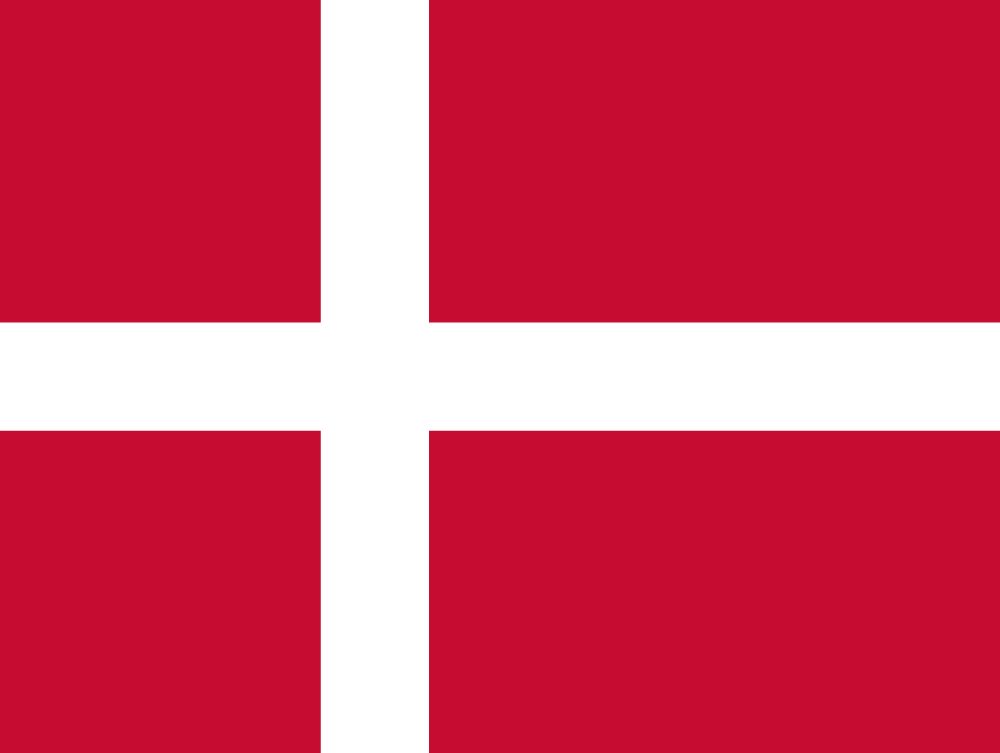



Study In Denmark
-
1
Why Study in DENMARK
-
2
Top University & Courses
-
3
Eligibility & Process
-
4
Cost & Scholarships
-
5
Application Process
-
6
After Reaching DENMARK
-

Free Resources
About DENMARK
Denmark is one of the most innovative and student-friendly countries in Europe, known for its excellent career opportunities and world-class education and practical learning. The Danish universities emphasize creativity, research, team working and problem-solving, all traits needed for students to succeed in their future careers in the world.
International students choose Denmark because of:
Denmark also offers students opportunities to work part-time during their studies and gain international exposure in one of Europe’s happiest countries.
To learn more about studying in Denmark, explore our complete guide: Study in Denmark for Nepali Students – Complete Guide
Frequently Asked Questions
Denmark offers globally recognized education, modern teaching methods, safe communities, and excellent career opportunities for international students.
Yes. International students are allowed to work part-time during their studies according to visa regulations.
Yes. Denmark is considered one of the safest and happiest countries in the world.
Yes. Many universities in Denmark offer English-taught bachelor’s and master’s programs.
About DENMARK
Denmark has some great universities that have globally recognized programs which offers innovative and career-oriented programs. Students gain from hands-on learning, industry partnership and research based learning.
Denmark’s universities focus heavily on practical education, teamwork, innovation, and sustainability
Check out this blog to explore the top universities in Denmark for international students.
Frequently Asked Questions
Business, Engineering, IT, Renewable Energy, Data Science, and Design programs are highly popular among international students.
Yes. Danish universities are internationally respected for research, innovation, and quality education.
Yes. Denmark is highly recognized for technology, engineering, and innovation-focused education.
Most universities primarily offer September intake, though some courses may have February intake as well.
About DENMARK
The eligibility criteria for studying in Denmark vary greatly among the different universities and courses and are established by each institution. Students will typically require academic records, English language proficiency and proof of financial ability.
Many Danish institutions also consider students with academic gaps depending on their profile and supporting documents
Frequently Asked Questions
Not always. Some universities also accept PTE and other English proficiency tests.
Yes. Some universities accept academic gaps depending on the student profile and justification.
The GPA requirement varies depending on the university and course.
The complete process may take several weeks to a few months depending on the institution and visa processing time.
About DENMARK
The tuition fee for studying in Denmark varies depending on the university, course and lifestyle of the student. Although it is true that tuition fees are charged for non-EU students, it is also true that Denmark has very good value for money with regards to quality education and good career prospects.
Students may spend around:
Many universities offer scholarships based on:
Scholarships can significantly reduce tuition fees and support living expenses.
Frequently Asked Questions
Living costs can be high, but students benefit from quality education and part-time work opportunities.
Yes. Many Danish universities provide scholarships for international students.
Yes. International students are allowed to work part-time while studying.
About DENMARK
The process of getting admitted to the universities in Denmark includes university admission and residence permit applications. Students have a higher chance of being accepted for admission and granted a visa by following the right steps and documentation.
Frequently Asked Questions
Students generally need academic documents, passport, financial proof, SOP, and English proficiency scores.
International students need a residence permit to legally study and stay in Denmark.
Students should begin the process several months before their intended intake.
Strong documentation and proper preparation improve approval chances.
After Reaching DENMARK
Denmark is a safe and modern country, and a good place for international students to study, thanks to its good public services and high employment opportunities. Students acclimate to Denmark's harmonious living and friendly communities.
Students commonly work in:
Students enjoy:
Frequently Asked Questions
Yes. Many students work part-time in retail, hospitality, and customer service sectors.
Accommodation costs vary depending on the city and type of housing.
A CPR number is a personal identification number required for many services in Denmark.
Yes. Denmark offers excellent opportunities in technology, engineering, business, and sustainability sectors.
How do international students register at a college or university in Denmark?
After receiving admission from a Danish college or university, international students must complete the registration process by submitting important documents such as their passport, residence permit, and academic certificates. Many universities also require students to complete online registration through a student self-service portal before classes begin.
After arriving in Denmark, students may need to:
- Attend orientation programs
- Verify original documents
- Register their local address
- Obtain a CPR number
Final university registration is usually confirmed only after completing arrival formalities and CPR registration in Denmark.
| Expense Category | Monthly Cost | Notes |
|---|---|---|
| Accommodation | 3,000 – 5,500 DKK | Depends on city and housing type such as dormitory or private rental |
| Groceries | 1,500 – 2,500 DKK | Cost varies based on lifestyle and eating habits |
| Health Insurance | 0 DKK | Public healthcare is free for students with a CPR number |
| Public Transport | 300 – 600 DKK | Monthly transportation passes may include student discounts |
| Phone & Internet | 100 – 200 DKK | Includes basic mobile and internet expenses |
| Study Materials | 200 – 500 DKK | Books, printing, and academic supplies |
| Leisure & Miscellaneous | 500 – 1,000 DKK | Dining out, gym memberships, and entertainment |